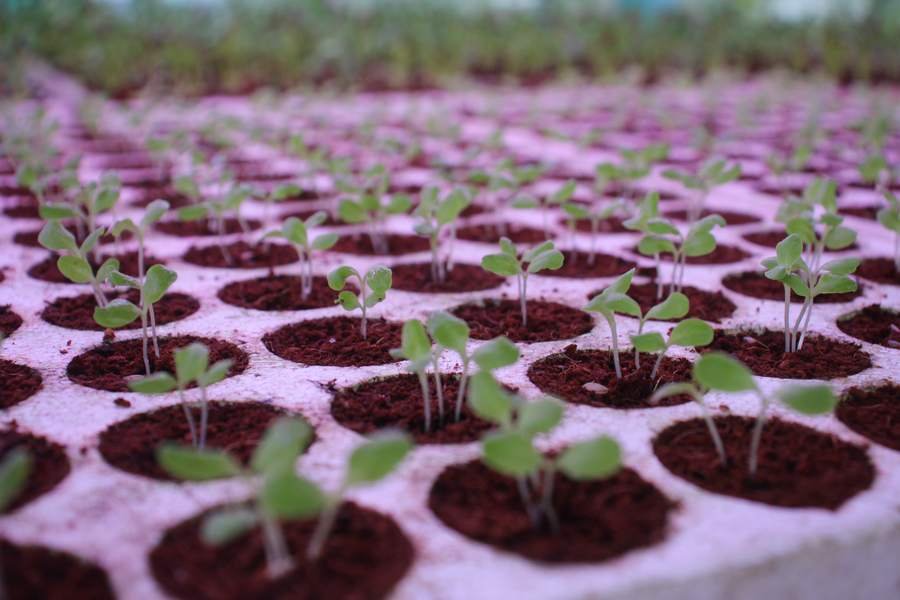
If Smart Farming is the system, Precision Farming is the decision layer inside it: farming on data rather than blanket averages — the right input, in the right place, at the right time, in the right way.
Precision farming stands on two legs: measuring correctly and acting in the right dose. CAS builds both parts with its own equipment — which means that when something needs repair, expansion or an extra sensor, there is no waiting on a supplier overseas.
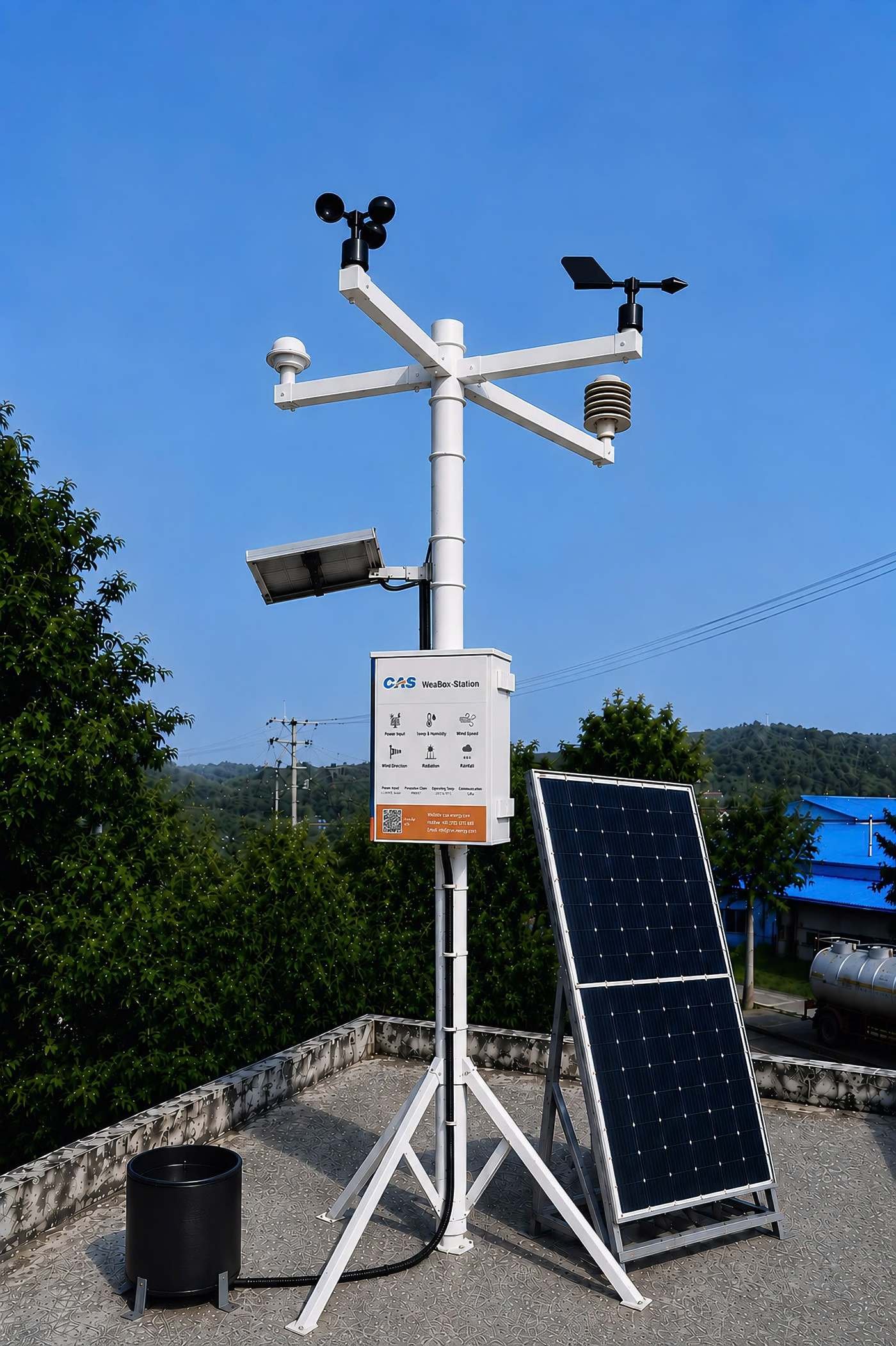
A regional weather forecast says nothing about what is happening inside one particular plot or greenhouse. A few degrees of difference, a local downpour or one unusually harsh afternoon is enough to change the irrigation decision for that day.
CAS WeaBox-Station measures directly where the crop grows: air temperature and humidity, wind speed, wind direction, solar radiation and rainfall. The station has its own solar panel, so it can be installed where grid power has not reached, and the readings feed the system that drives irrigation schedules, nutrient schedules and adverse-weather alerts.
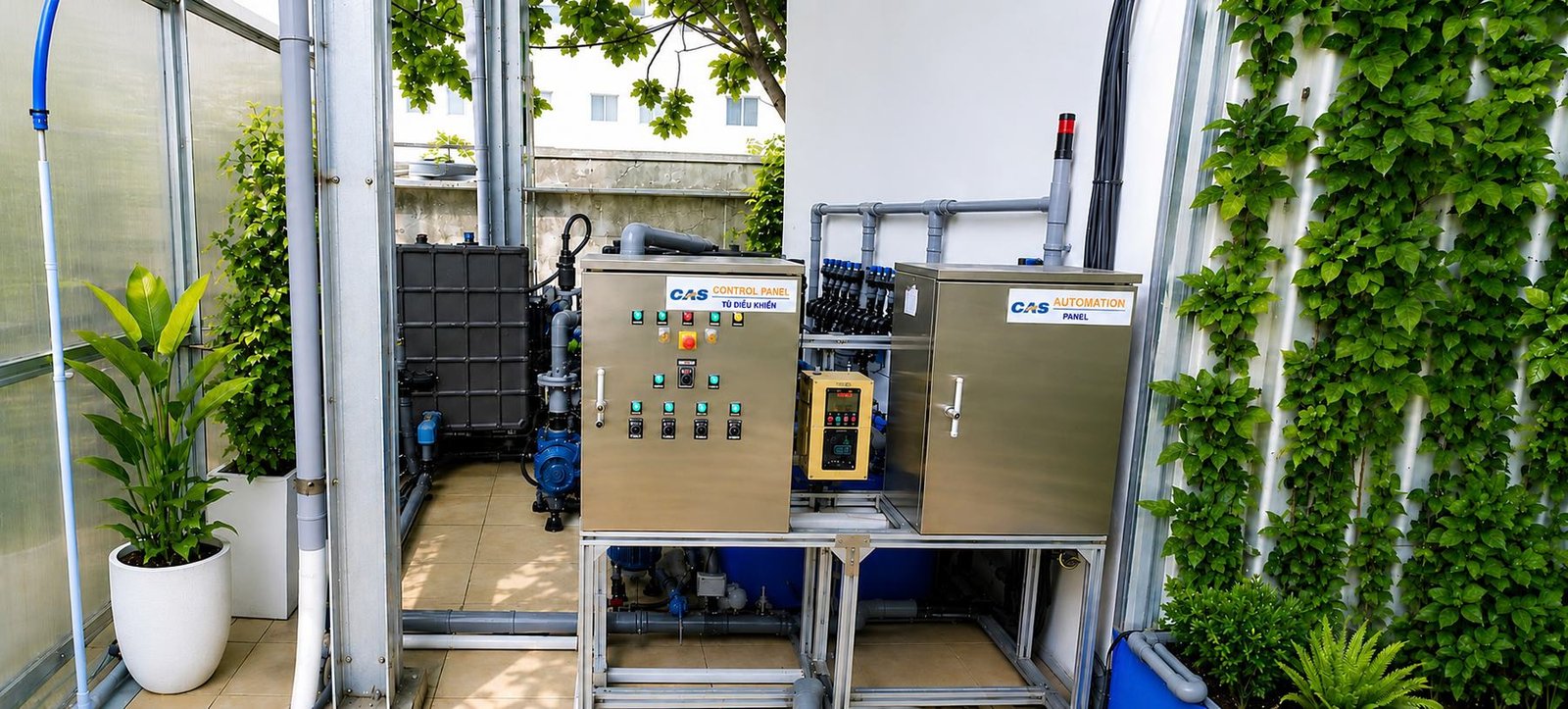
Dosing nutrients by habit means overdosing. The crop takes up only part of it; the rest runs off with the irrigation water — costing money and pushing nutrients into the surrounding water.
A nutrient dosing system blends the solution into the irrigation water at a preset ratio instead of mixing and feeding it by hand. The control panel and automation panel built by CAS are the brain of that system: they hold the recipe and the dosing times, drive the pump through a variable-speed drive to keep the flow steady, and keep manual controls on the panel face for the moments someone needs to step in. The result is that every crop cycle receives the amount of nutrition that was calculated — and can repeat it next cycle. Talk to CASFarm to discuss scale and how to get started.
